

There’s a lot to look forward to when you’re expecting — the anticipation, the planning, the quiet moments where everything starts to feel real. At the same time, pregnancy changes a lot — your schedule, your energy levels, your priorities. Sleep shouldn’t feel like the most challenging part of the day, yet for many expectant parents, nighttime comfort becomes an ongoing challenge. As your body adapts, the way you sleep matters more than ever, especially as comfort, stability, and pressure relief shift week by week.
If you’ve been wondering how to sleep when pregnant without constantly tossing, turning, or waking up sore, it’s often a sign that your body needs a little more support, especially for full-figured pregnant sleepers whose weight distribution, joints, and pressure points can change more dramatically as pregnancy progresses. The good news: minor adjustments to positioning — paired with a mattress that can actually hold up — can make a noticeable difference in how restful your nights feel.
Finding the right sleeping positions while pregnant comes down to what helps your body settle in, stay supported, and feel steady as it changes. With a few thoughtful tweaks (and the proper foundation beneath you), sleep can start to feel less like a nightly struggle and more like the reset it’s meant to be.
Why Sleeping Positions Matter During Pregnancy
As pregnancy progresses, your body carries weight differently. Your center of gravity shifts, joints loosen, and pressure starts showing up in new places — most often the hips, lower back, and shoulders. For fuller-figured pregnant bodies, those changes can feel even more pronounced. How you position yourself at night affects how evenly your weight settles and how supported you feel when you wake up.
Circulation is one of the main reasons sleep position matters during pregnancy. Side sleeping generally allows for steadier blood flow than lying flat on your back, particularly as pregnancy advances. When positioning lacks support, pressure can build in sensitive areas, leading to stiffness, discomfort, and more frequent adjustments throughout the night.
Breathing and digestion often feel easier with gentle elevation and solid spinal alignment. Comfort comes from finding a sleeping posture in pregnancy that helps your body settle in, reduces pressure, and allows you to stay comfortable for more extended periods of time.
Best Sleeping Positions While Pregnant
There’s no single “right” way to sleep during pregnancy. Comfort often comes from finding positions that feel natural as your body changes. For fuller-figured pregnant sleepers, that usually means choosing positions that allow your weight to settle evenly, feel stable through the night, and stay comfortable as your body changes week after week.
Side Sleeping
Side sleeping is widely considered the most comfortable option during pregnancy — and for good reason. Lying on your side helps keep your spine aligned, reduces pressure on the lower back, and makes it easier to adjust with pillows as your body changes.
Many pregnant women find left-side sleeping especially comfortable, but consistency and support are key. Switching sides throughout the night is completely normal and often helps relieve hip pressure.
To make side sleeping more comfortable:
- Place a pillow between your knees to reduce hip strain.
- Hug a pillow or body pillow to support your shoulders and upper body.
- Make sure your mattress feels stable and doesn’t dip under your midsection.
A mattress that compresses too much can throw off alignment, making side sleeping feel harder than it should — especially for full-figured bodies that need dependable structure.
Slightly Elevated Side Sleep
Adding gentle elevation when side sleeping can improve comfort, especially if you’re dealing with reflux, congestion, or shortness of breath. This position doesn’t mean propping yourself upright — just a subtle lift through the upper torso.
You can achieve this by:
- Using a wedge pillow under your upper back and shoulders
- Layering pillows to create a gradual incline
- Pairing elevation with side support for hips and knees
Elevated side sleep often feels more breathable and can reduce nighttime discomfort without sacrificing stability. It’s a flexible option that works well as pregnancy progresses and comfort needs change.
Sleeping Positions to Avoid During Pregnancy
As your body changes, some sleep positions simply stop feeling comfortable or supportive. For fuller-figured pregnant sleepers, positions that put pressure in the wrong places or make it harder to stay aligned can lead to more nighttime shifting and less restful sleep overall. Paying attention to which positions feel less steady can make it easier to settle into ones that support better rest as pregnancy progresses.
Back Sleeping
Sleeping flat on your back can feel fine early on, but as pregnancy advances, it often becomes uncomfortable. Back sleeping may increase pressure on the lower back and can make breathing feel more restricted for some people.
If you wake up on your back, there’s no need to panic — simply roll onto your side and get comfortable again. Many expectant parents naturally shift away from this position as their body cues them to move.
Using pillows behind your back can help prevent rolling onto your back during the night, especially if you’re a habitual back sleeper.
Stomach Sleeping
Stomach sleeping typically becomes uncomfortable fairly early in pregnancy. As your belly grows, this position places pressure where you don’t want it and often strains the neck and lower back.
Some people transition from stomach sleeping to side sleeping gradually, using pillows to recreate that sense of support and grounding. A firm, stable mattress, like the Big Fig Firm Mattress, can make that transition feel smoother by preventing excessive sink that pulls the body out of alignment.
How to Sleep More Comfortably When Pregnant
Getting comfortable during pregnancy often comes down to the little habits you don’t always think about — especially as your body changes and nighttime needs shift. For fuller-figured pregnant sleepers, those details can make the difference between settling in and spending half the night readjusting.
- Temperature is a big one. Pregnancy can make you feel warmer at night, so keeping your bedroom slightly cooler, choosing breathable sleepwear, and avoiding heavy layers can help you fall asleep faster and stay comfortable longer. Even small changes — like cracking a window or switching to lighter pajamas — can make a noticeable difference.
- Timing matters, too. Eating heavier meals earlier in the evening and keeping late-night snacks light can help reduce nighttime discomfort. The same goes for fluids — staying hydrated during the day while tapering off closer to bedtime can reduce the need for frequent trips out of bed without leaving you feeling parched.
- Daytime movement also plays a role in nighttime comfort. Gentle activity, stretching, or even a short walk earlier in the day can help your body feel more settled by bedtime. Just try to leave higher-energy movement for earlier hours so your body has time to wind down before sleep.
If you’re pregnant in a bigger body and looking for guidance that reflects real-life comfort needs, educating yourself on sleep tips for plus-size pregnancy can give you some practical advice to help support rest as your body changes.
And it helps to think a little ahead. Sleep patterns continue to shift after delivery, and setting realistic expectations early can make that transition smoother. Postpartum sleep tips for plus-size moms provide a helpful perspective for navigating those early weeks with more ease and less frustration.
Comfort during pregnancy isn’t about doing everything “right.” It’s about noticing what helps your body relax, sticking with what works, and permitting yourself to adjust as often as you need to.
A Mattress That Supports You Through Every Stage
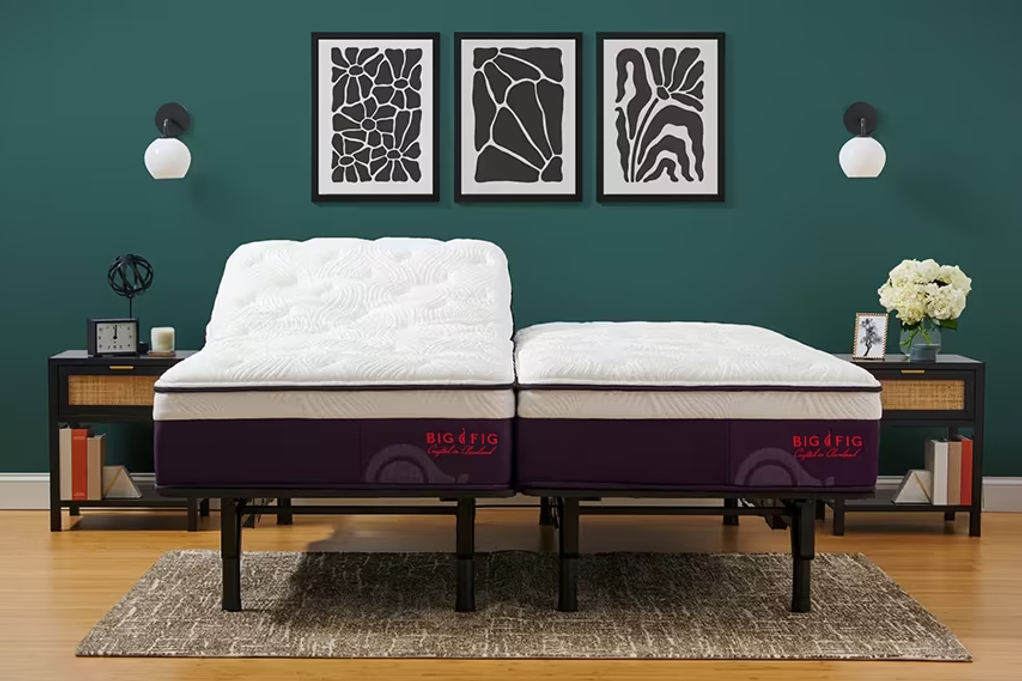
Pregnancy sleep changes — and your mattress should be able to keep up. Big Fig mattresses are engineered specifically for bigger bodies, with reinforced coils, high-density foams, and strong edge support that stays consistent over time.
When your mattress feels stable, it’s easier to maintain comfortable pregnancy sleeping positions, adjust with pillows, and settle in without feeling like the bed is working against you.
If you’re ready for sleep that feels supportive before, during, and after pregnancy, explore the entire Big Fig Mattress Collection and find the mattress built to support you through every stage — without sagging, shifting, or giving out when you need it most.
Better sleep doesn’t require perfection. It starts with the right position, proper support, and a mattress that’s built to last.