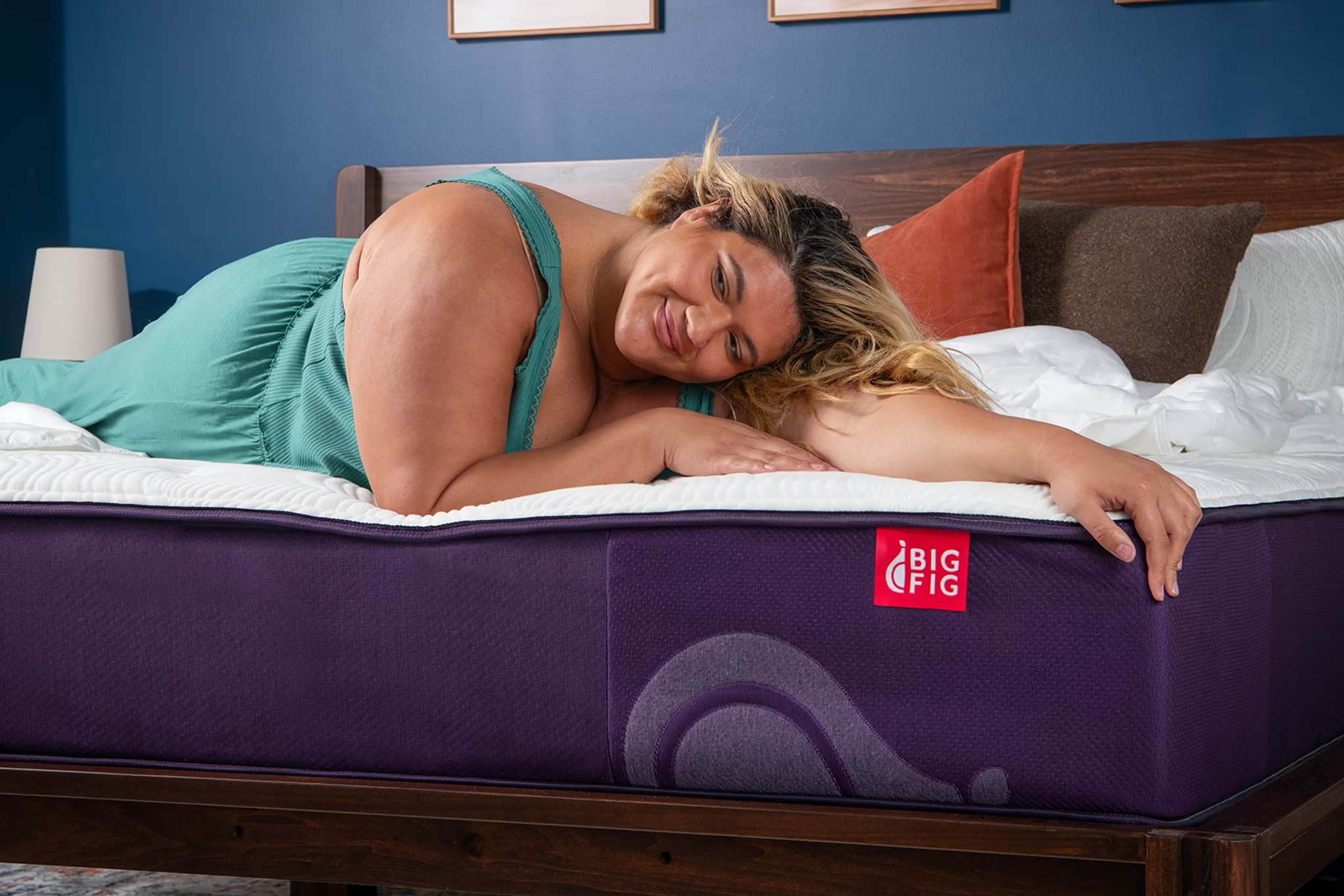


Waking up with shoulder pain from sleeping can affect everything from your mood to your mobility. Even if your shoulder feels fine during the day, pressure can build overnight — especially when your mattress or pillow isn’t pulling its weight. A surface that’s too soft, too worn-out, or simply not supportive enough for full-figured bodies can leave your shoulder trapped in one position for hours. That kind of pressure adds up.
Poor alignment, uneven sinkage, inadequate cushioning, and even your sleep position are some of the most common contributors. And because nighttime soreness often feels strongest first thing in the morning, you may overlook the cause until you’re already dealing with the aftermath.
A better night’s sleep starts with a sleep setup that actually supports you, and every detail —and especially a mattress built to support greater weight without collapsing — can change everything. With the right foundation beneath you, your shoulder gets the relief it needs, and your body can finally settle into real, consistent comfort.
Why Side Sleepers Often Experience Shoulder Pain
Sleeping on your side is a common preference, but it's also the sleep position most likely to cause shoulder pain, particularly if you're already prone to waking up with sore shoulders. The reason for this pain is as follows:
When you sleep on your side, one shoulder carries a significant percentage of your upper-body weight. That pressure collapses the tissues around the joint and narrows the space inside the shoulder capsule. On a mattress that sags — or one that compresses too easily — your body sinks unevenly. Full-figured sleepers feel this more intensely because many mattresses simply aren’t built to support heavier weights without bottoming out.
A well-designed, reinforced mattress makes a noticeable difference. Instead of letting your weight push directly into the shoulder, it cushions, lifts, and redistributes pressure so the joint isn’t doing the work alone.
Common Mistakes Side Sleepers Make
If you’re a side sleeper, a few minor adjustments can make a big difference — especially when certain habits unintentionally add pressure to the shoulder.
- A mattress that’s too soft or sagging
Softness feels cozy at first, but when the surface collapses under your shoulder, the descent is immediate. Your shoulder sinks further than your pelvis, your spine rotates, and the joint absorbs all the pressure. Sagging is one of the biggest causes of shoulder pain among full-figured sleepers.
- A flat or undersized pillow
Your pillow helps keep your neck aligned with your spine. When it’s too low, everything shifts downward. That tilt creates tension through the neck and into your shoulder.
- Poor spinal alignment throughout the night
Many folks curl forward, twist slightly, or reach one arm overhead. Those positions shorten some muscles while over-stretching others. Over several hours, your shoulder feels the strain.
- Lack of reinforced support beneath the heaviest parts of the body
If your mattress doesn’t have zoned support — or high-density materials that resist sagging — your shoulders and hips will sink deeper than everything else, creating uneven pressure.
Signs Your Mattress is Causing the Pain
It’s easy to blame the shoulder itself, but the mattress is often the real culprit. A few clues:
- You notice dips, indentations, or “body marks” even after you get up.
- You wake with sharp pressure around the shoulder, head, or upper arm.
- The center section of your mattress sags or feels uneven.
- The pain appears only after several hours of sleep — classic shoulder pain after sleeping.
How to Sleep With Shoulder Pain: Immediate Relief Tips
If you’re trying to figure out how to sleep with shoulder pain tonight, small changes in positioning and support can make the night much more manageable. Shoulder discomfort often overlaps with neck tension—when the neck isn’t supported well, the muscles surrounding the shoulder work harder to keep everything aligned. That extra strain can intensify soreness by morning, especially if your pillow height or posture is off. Understanding how the neck and shoulder work together can make these quick adjustments even more effective.
Adjusting Your Sleeping Position
Pillows can do far more than make you comfortable—they can completely change how your shoulder carries weight through the night. The correct setup helps open the shoulder joint, reduce compression, and keep your spine aligned, which is especially helpful when you're managing shoulder pain from sleeping.
- Side sleepers: One of the easiest ways to relieve pressure is by adding more support where your body needs it most. Hugging a pillow can lift the shoulder and redistribute weight more evenly. That’s where a design like the Big Fig Adjustable Body Pillow comes in handy. Its customizable fill lets you shape it to your body, giving you the exact amount of lift and cushioning your shoulder needs without forcing your posture into an uncomfortable angle.
- A slim pillow placed between your ribs and the mattress can also prevent your torso from collapsing inward, while an appropriately sized head pillow keeps the neck at the right height. When the neck stays supported, the shoulder naturally follows—reducing strain and helping you wake up with less tension.
- Back sleepers: Keeping your arms comfortably at your sides rather than overhead helps reduce strain on the shoulder joint and upper back. The goal is to maintain a neutral line from your ears through your shoulders and down your spine, so your pillow plays a significant role here. Choose one that lifts your head just enough to prevent your chin from tilting toward your chest, but not so high that it pushes your neck forward.
- A balanced pillow height supports the natural curve of your spine and allows your shoulders to rest evenly against the mattress, preventing one side from overworking through the night. If you wake up with tension between the shoulder blades or around the base of the neck, it’s usually a sign that your pillow height or firmness needs adjusting.
Gentle Stretches Before Bed
A few minutes of light mobility work before bed can make your shoulder far more comfortable once you settle in. These simple movements prep the joint, ease tension, and help reduce the stiffness that often shows up by morning:
- Slow shoulder circles to loosen the joint and encourage healthy fluid movement.
- Chest-opening stretches to counteract daytime slouching and reduce pressure across the front of the shoulder.
- Light resistance-band pulls to activate the upper-back muscles that help support shoulder alignment.
- Side-lying reach-unders to open the space between the shoulder blades and release built-up tension.
Together, these gentle stretches warm the area, improve mobility, and reduce the likelihood that the shoulder will tighten up overnight.
Long-Term Solutions for Preventing Shoulder Pain After Sleeping
If shoulder pain after sleeping has become a pattern, it’s probably time to look at the core elements of your sleep environment. Adjustments to your mattress, pillows, and posture can dramatically improve long-term comfort.
Choosing the Right Mattress for Shoulder Relief
A supportive mattress is one of the best ways to prevent pressure buildup. Look for:
- High-density foams that won’t collapse under weight
- Reinforced edges and center support
- Hybrid or foam-hybrid designs that combine cushioning and structure
Bigger bodies especially benefit from durable materials and strong interior support systems—otherwise, the shoulder ends up carrying too much load.
Improving Overall Sleep Ergonomics
Good sleep ergonomics is about setting your body up to stay supported through the entire night. A few thoughtful habits can make a meaningful difference in how your shoulder feels each morning:
- Keep your spine in a neutral line so your neck, shoulders, and hips all share the workload evenly.
- Avoid sleeping with your arm overhead, which narrows the shoulder joint space and increases the chance of pinching or strain.
- Stay consistent with your sleep posture so your muscles and joints learn what “neutral” feels like and can relax into it more easily.
Even small improvements in alignment can reduce the joint compression that leads to next-day discomfort — especially for side sleepers who rely on one shoulder to support more weight.
Why a Supportive Mattress Matters for Shoulder Pain
A mattress designed for heavier bodies provides stability and comfort in ways standard mattresses simply can’t. When the materials are durable, the shoulder doesn’t sink too far. When the support is reinforced, your spine stays aligned. And when the comfort layers contour without collapsing, pressure remains low rather than building overnight.
Cooling materials also matter — heat can worsen inflammation around the shoulder, so temperature regulation plays a quiet but essential role in pain management.
How Big Fig Helps Reduce Shoulder Pain
The Big Fig Mattress is engineered for full-figured sleepers who need real support — not temporary cushioning. Every inch of the mattress is engineered to prevent the collapse and sinkage that can lead to shoulder pain from sleeping.
Here’s how Big Fig supports shoulder comfort more effectively than standard mattresses:
High-Density, High-Resilience Foams
Big Fig’s performance-grade foams deliver durability and structure that standard foams simply can’t match. They resist collapsing under pressure, keeping your shoulder elevated and supported rather than allowing it to fall into a dip that disrupts alignment.
Hybrid Construction That Distributes Weight Evenly
The Big Fig combines high-density foams with a strong coil system to balance support and contouring. For full-figured side sleepers, this feature prevents the shoulder from bottoming out, reduces pressure buildup, and keeps the spine level.
1,600 Individually Wrapped Coils
Our coil system is one of Big Fig’s most significant advantages. With up to 1,600 individually wrapped coils, each spring responds independently to your weight and shape while promoting airflow. That targeted movement helps relieve shoulder pressure and keeps your upper body properly aligned — especially when one shoulder carries most of your weight.
Reinforced Edge Support
Big Fig’s edge-to-edge stability increases usable sleep surface area and prevents roll-off sinkage. For shoulder comfort, this means consistent lift and pressure relief no matter where you sleep on the mattress.
Cooling Technology
Big Fig offers two types of cooling tech on our mattresses. Our THERMOGEL® Cooling Technology reacts to body heat and helps wick excess warmth away throughout the night. On our Luxe mattress, LDPE works as an active cooling technology that works on contact. Because heat can intensify shoulder inflammation, staying cool can make a real difference in how your shoulder feels by morning—less stiffness, reduced pressure, and a more comfortable start to the day.
Built to Resist Sagging Long-Term
Many mattresses soften or sag within a few years—especially under full-figured sleepers — often leading to shoulder pain after sleeping. Big Fig is tested for long-term durability, maintaining structure and alignment so your shoulder stays supported year after year.
Final Thoughts: Your Path to Pain-Free Sleep
Shoulder pain doesn’t start overnight — it builds from slight imbalances in your mattress, pillow, and posture. A supportive setup can change your night and your mornings, especially when every layer is designed with full-figured sleepers in mind. Evaluate your mattress, take stock of how your body feels each morning, and make changes where you can.
When you’re ready to explore a mattress specifically built for long-term support and pressure relief,
Big Fig is here to help.