

A mattress isn’t just something you sleep on, it’s where your body spends hours every night recovering from the day. So when you start shopping and see wildly different price tags, it’s completely normal to wonder how much does a mattress cost and what you should actually be paying.
The challenging part? The mattress industry loves markups, “today-only” sales, and big promises that don’t match what’s inside the bed. With all that noise, figuring out a fair price can feel like guesswork.
To help you out, let’s get into what really drives cost, what you’re paying for, and how investing in the right mattress can make a real difference in your comfort and long-term support.
Why the Cost of a Mattress Matters
A mattress plays a direct role in your sleep quality, spinal alignment, joint support, and long-term comfort. If your bed is sagging or not built for your full-figured body, you’ll feel the effects quickly: stiff mornings, pressure points, overheating, or ongoing back discomfort.
Before talking numbers, it helps to understand the typical ranges most people see when they first Google How much are mattresses? Entry-level foam beds often run a few hundred dollars. Mid-range hybrids typically sit in the $1,000–$1,600 zone. Specialty or well-built high-density models fall between $1,800–$3,000.
But those broad categories don’t explain why pricing feels so all over the place. Some “premium” mattresses use low-density foams or minimal reinforcement yet cost as much as models built with far stronger materials. Promotions, bundled add-ons, and retail markups add to the confusion, making it hard to judge real value.
How Much Should a Mattress Actually Cost?
Let’s answer the big question head-on: how much should a mattress cost? The right amount varies based on your body type, sleep habits, and how long you expect the mattress to last. Here’s what actually drives your ideal budget:
Body type and weight
If you have a fuller figure, you need a mattress built with real strength behind it — stronger base layers, high-density foam, thicker-gauge coils, and edges that don’t fold under pressure. These materials cost more upfront, but they also hold their shape longer and prevent the early sagging so many standard mattresses struggle with.
Sleep position
Your sleeping style matters, too. Side sleepers typically need extra cushioning around the shoulders and hips, while back and stomach sleepers do better with firmer, more stabilizing support. Those targeted comfort zones and reinforcements add to cost, but they make a noticeable difference in daily comfort.
Back pain or pressure-sensitive areas
If you wake up stiff or have ongoing back or joint discomfort, cutting corners usually backfires. Investing in better alignment and stronger support layers can ease tension and help you feel better in the morning.
Cooling needs
Hot sleepers benefit from breathable foams, gel infusions, and temperature-regulating fabrics that actually move heat away from the body. Those upgrades cost more than basic foam, but they completely change your sleep experience.
Longevity expectations
If you want a mattress that genuinely lasts 8–12 years, you won’t find it in the $300–$700 price range. Long-term durability comes from dense materials and reinforced construction — exactly the features that separate “affordable now” from “worth it over time.”
How Much Does a Good Mattress Cost?
Most mattress shoppers are usually trying to understand what separates a long-lasting bed from one that feels great for a year and then starts to dip. In most cases, a truly well-built mattress — one that keeps its shape, stays cool, and supports your body every night — typically starts around $1,500 and can reach $3,000 or more, depending on materials.
So what actually counts as “good”?
- A strong, stable base that won’t collapse under pressure
- High-density foam that stays supportive instead of breaking down
- Cooling materials that continue working long after the first year
- Reinforced coils or support layers designed for long-term structure
- Reliable edge support that doesn’t soften or sag
And here’s the part that throws most shoppers off: price doesn’t always match quality. Plenty of mass-market mattresses carry premium price tags but use inexpensive materials on the inside. That’s why it helps to look at real-life testing and long-term feedback — our Honest Big Fig Mattress Review is a great place to start if you want a clearer picture of how durability actually plays out over time.
Why are Mattresses so Expensive?
The answer comes down to several built-in costs:
Retail markups
Showroom mattresses often carry huge margins to cover rent, staffing, and frequent “sales.”
Material quality
Foam density, coil gauge, cooling layers, and reinforced foundations all vary wildly in cost. Higher-density materials are more expensive but significantly extend lifespan.
Testing and certification
Durability testing, pressure mapping, cooling performance, and safety certifications add to production costs.
Shipping and logistics
Mattresses are heavy, and heavy beds cost more to move.
When Higher Cost = Better Value
A higher price tag doesn’t guarantee quality, but it often points to better long-term value when the construction actually backs it up. You’re more likely to see a real return on your investment when:
- The mattress uses high-density foams (1.8–3 lb+ in the comfort layers).
- The base support is reinforced instead of relying on basic foam.
- The design is engineered for heavier bodies and built to stay stable.
- You’re getting 8–12 years of reliable use instead of having to replace it every few years, or longer, depending on warranties. For example, Big Fig offers a limited lifetime warranty (https://www.bigfigmattress.com/warranty) on its mattresses that covers defects completely for the first 20-years!
If you’re curious what realistic longevity looks like for a well-built bed, our guide on How Long Do Mattresses Last offers a clear breakdown of what to expect and why certain materials last longer.
The Benefits of Investing in a High-Quaity Mattress
A well-made mattress pays you back in comfort, support, and consistency every single night. When the materials are stronger, and the construction is built to last, you feel the difference immediately, and for years to come.
Better Support and Back Health
Quality materials do more than feel good; they help keep your spine aligned so your body can actually rest. That kind of stability matters even more for people with bigger bodies, who need a sturdier build than most standard mattresses are designed to handle. Stronger support layers help reduce strain and make your mornings feel a whole lot better.
More Comfortable Sleep
Cooling is another area where higher-quality materials stand out. Breathable foams, gel infusions, and performance fabrics move heat away from the body rather than trapping it — something lower-cost foams tend to struggle with. When your mattress stays cool, your sleep stays more comfortable.
Longer Lifespan = Long-Term Value
A well-built mattress also lasts significantly longer. Spending a little more up front often ends up costing far less over time. Instead of replacing a budget mattress every few years, a durable model gives you steady support for a decade (two at minimum for Big Fig) or more — stretching your investment and eliminating the cycle of constant replacements.
How to Determine the Right Mattress Budget for You
Finding the right budget starts with understanding what you need from a mattress, not what the sale banners or bundled add-ons say. A few simple questions can help point you in the right direction:
- What does my body need for nightly comfort and support?
- How long do I expect this mattress to last?
- Do I need stronger cooling features to stay comfortable?
- Am I waking up stiff, sore, or unevenly supported?
- Have I been replacing mattresses more often than I’d like?
If your current bed sags, traps heat, or loses its support within a few years, that’s usually a sign you’ve been under-spending on construction and materials. On the other hand, you might be overspending if the mattress doesn’t match your body type or sleep needs — quality should serve your comfort, not just your receipt.
Why Big Fig is a Smart Investment for Long-Term Sleep
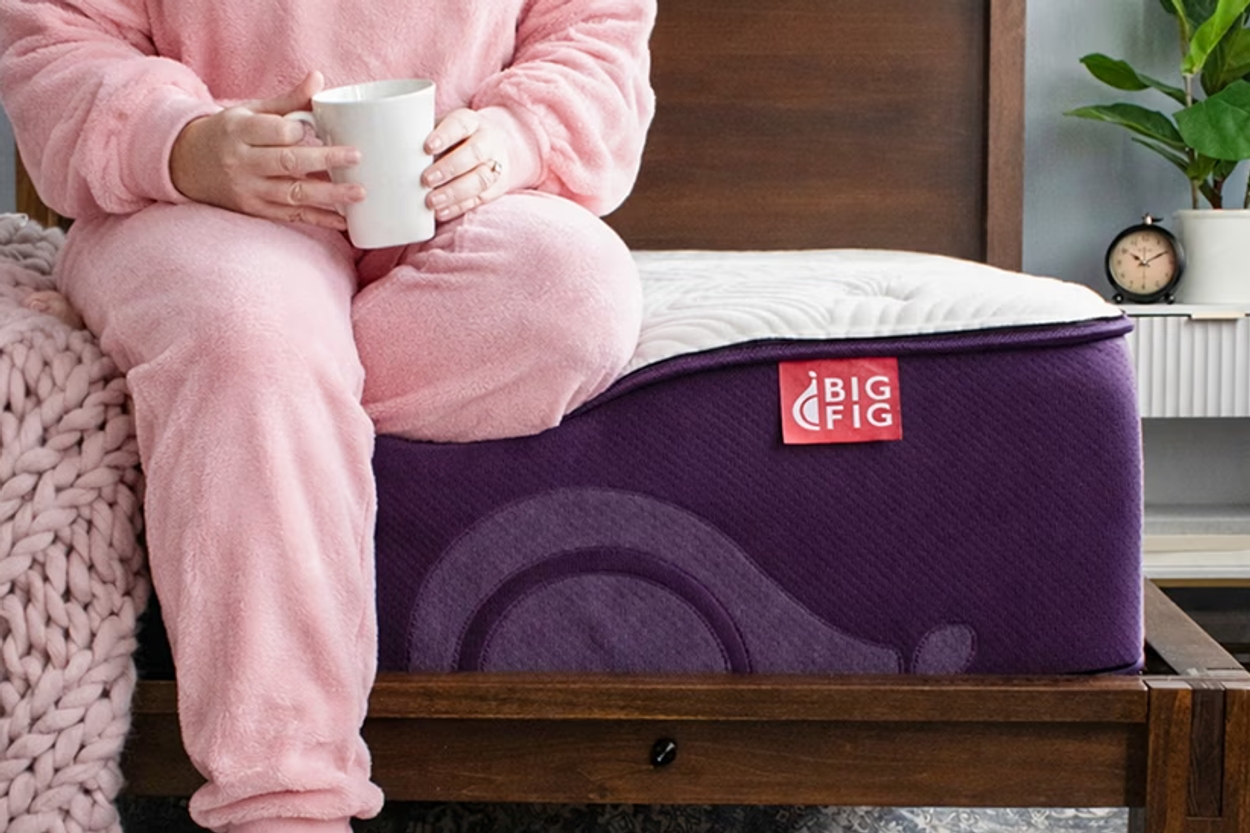
Big Fig is constructed for people with bigger bodies — full stop. The materials, support layers, and reinforced foundation are designed to withstand higher loads without breaking down. With high-density foam, strong coils, and proven durability (plus excellent cooling), the mattress sits solidly within the upper range of what a good mattress should cost while outlasting many similarly priced competitors.
Curious what to look for as a plus-size sleeper? Check out our helpful guide: What Heavy People Should Look for in a Mattress.
Final Thoughts: Spend Smart, Sleep Better
Your mattress should support your body, your comfort, and the way you feel every single day. When you look past the flashy promos and focus on solid construction, lasting materials, and real support, you end up with a bed that actually works for you long-term. A wise investment doesn’t just feel good the first week — it continues to deliver night after night.
Ready to find a mattress built for real support and real longevity?
Explore the Big Fig mattress collection and build the setup that fits your body and your sleep needs!